01
1965
Parliamentary visibility and early political profile
He enters the public sphere as a parliamentarian in Socialist Croatia, with a reputation linked to student activism and reform currents.
A statesman whose public profile framed Croatia's transition decade through argument, diplomacy, and institutional visibility.
From the last President of the Presidency of Yugoslavia to two consecutive terms at the head of the Croatian state, this site follows a public biography shaped by decisive years, international dialogue, and political memory.
The trajectory crosses the Croatian parliament, executive office, the Yugoslav federation, the presidential office, and Croatia's Euro-Atlantic opening.
Born in Orahovica in 1934 and trained as a lawyer at the University of Zagreb, Mesić entered public life in the 1960s and later held some of the most sensitive offices in Croatia's transition from federation to independent statehood.
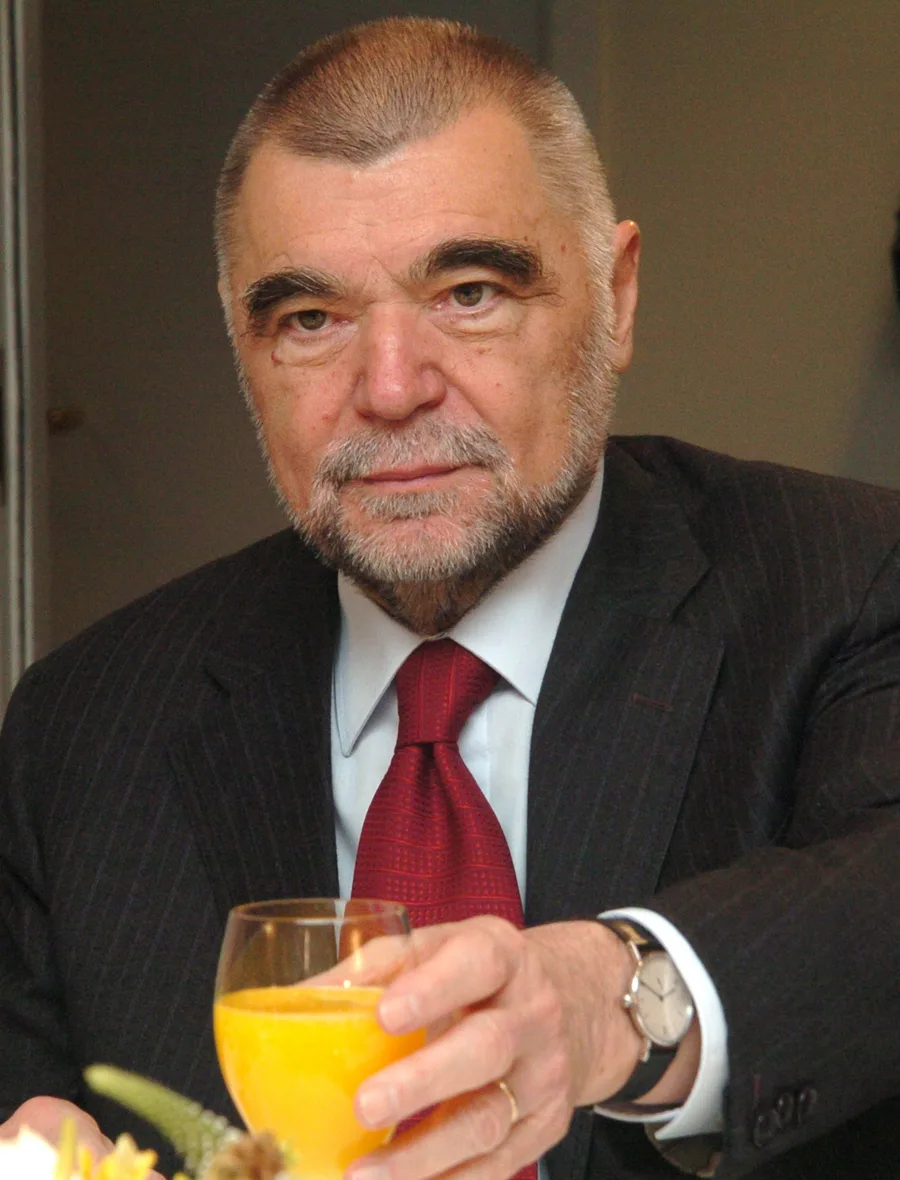
The presidency is presented here not as ceremony, but as a decade in which Croatia positioned itself toward Europe, NATO, and its own constitutional maturity.
Editorial framing
From reform-era politician to head of state
Rather than a simple list of titles, these roles show how the same political figure appears at several turning points in Croatia's recent history.
He enters the public sphere as a parliamentarian in Socialist Croatia, with a reputation linked to student activism and reform currents.
After the first multi-party elections he takes the leading executive role in Croatia's new political framework.
At the dramatic close of the federation, he assumes the top position of the collective presidency.
His electoral victory opens a decade marked by institutional tone, outward-facing diplomacy, and a visible public presidency.
Stjepan Mesić's role cannot be read through a single office. The logo sequence below tracks the political and international frames that defined his public presence.
From European meetings to ceremonial scenes and diplomatic images, the visual archive works here as a political document rather than decoration.
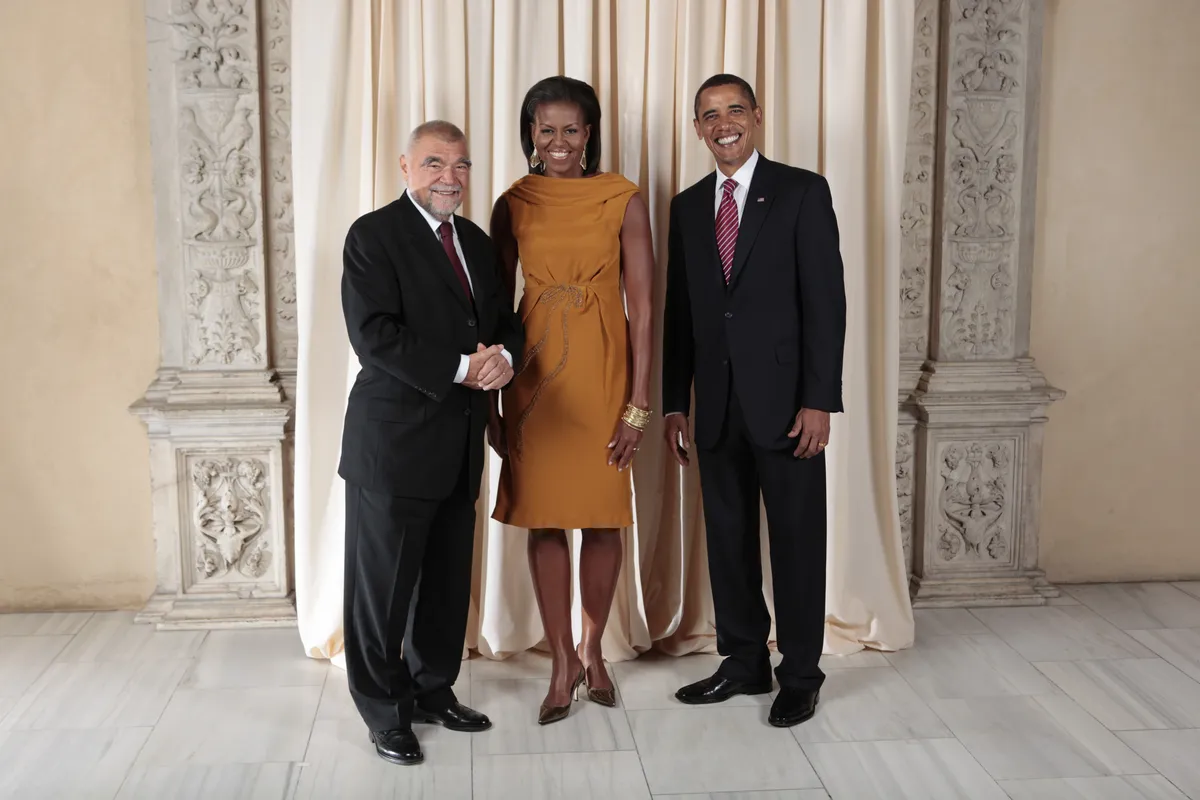
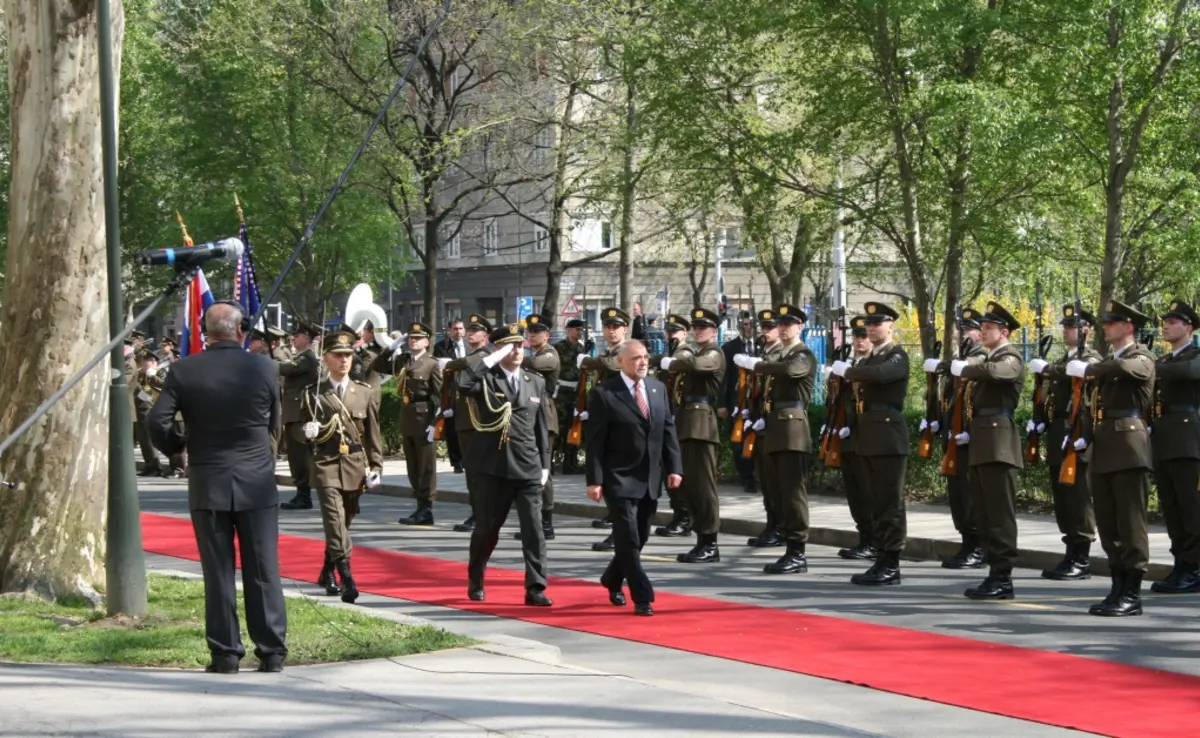
From European meetings to ceremonial scenes and diplomatic images, the visual archive works here as a political document rather than decoration.
Use the contact form for media requests, invitations, and editorial cooperation. Messages are stored in the internal database and trigger an email notification.
Send an inquiry