01
Institutional tone after 2000
The presidency acquires a public rhythm grounded less in monumentality and more in argument, clarity, and public accessibility.
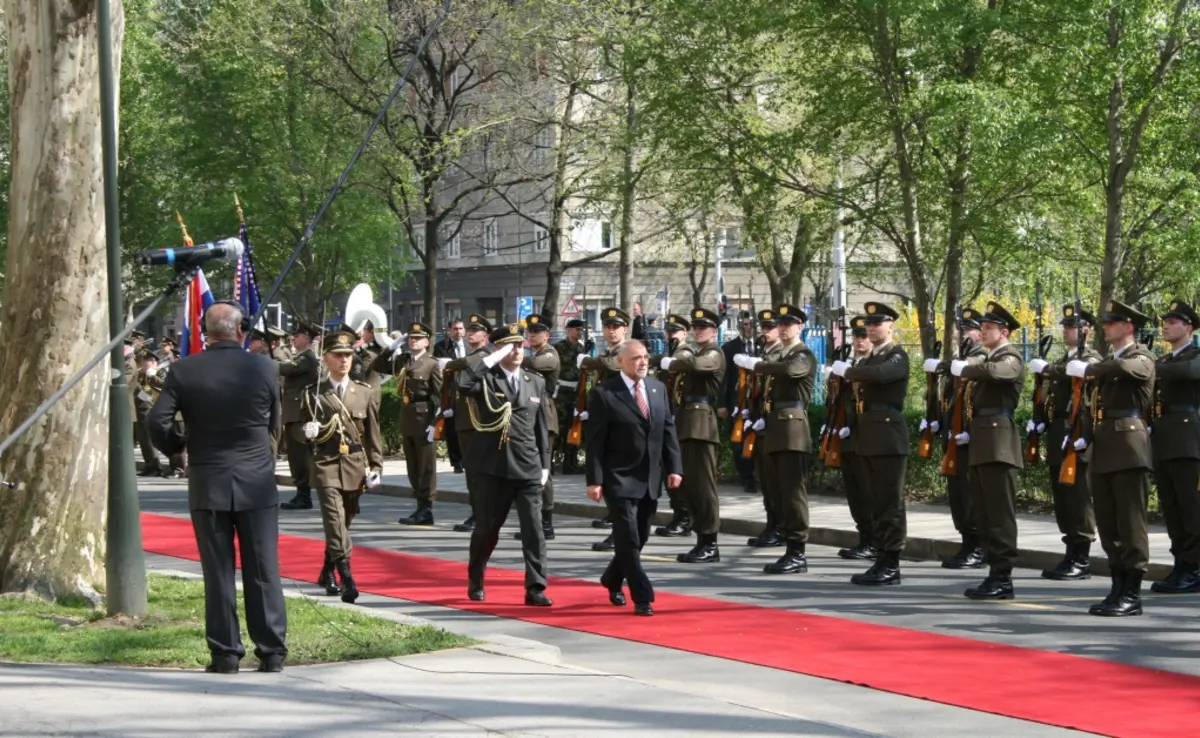
Stjepan Mesić's political legacy is most clearly read through the way he used the presidency for institutional calm, foreign-policy positioning, and a highly visible public voice during Croatia's transition decade.
The presidency is broken down here into clear lines: the internal tone of the institution, outward-facing diplomacy, and a persistent public voice after leaving office.
The presidency acquires a public rhythm grounded less in monumentality and more in argument, clarity, and public accessibility.
His time in office is marked by stronger international visibility for Croatia, including a Euro-Atlantic frame and steady diplomatic communication.
After the presidency, he remains present through interviews, commentary, and public appearances focused on democracy, the region, and historical responsibility.
The visual and textual traces assembled here are designed as a concise entry point into the period in which Croatian statehood positioned itself toward the region, Europe, and the wider world.
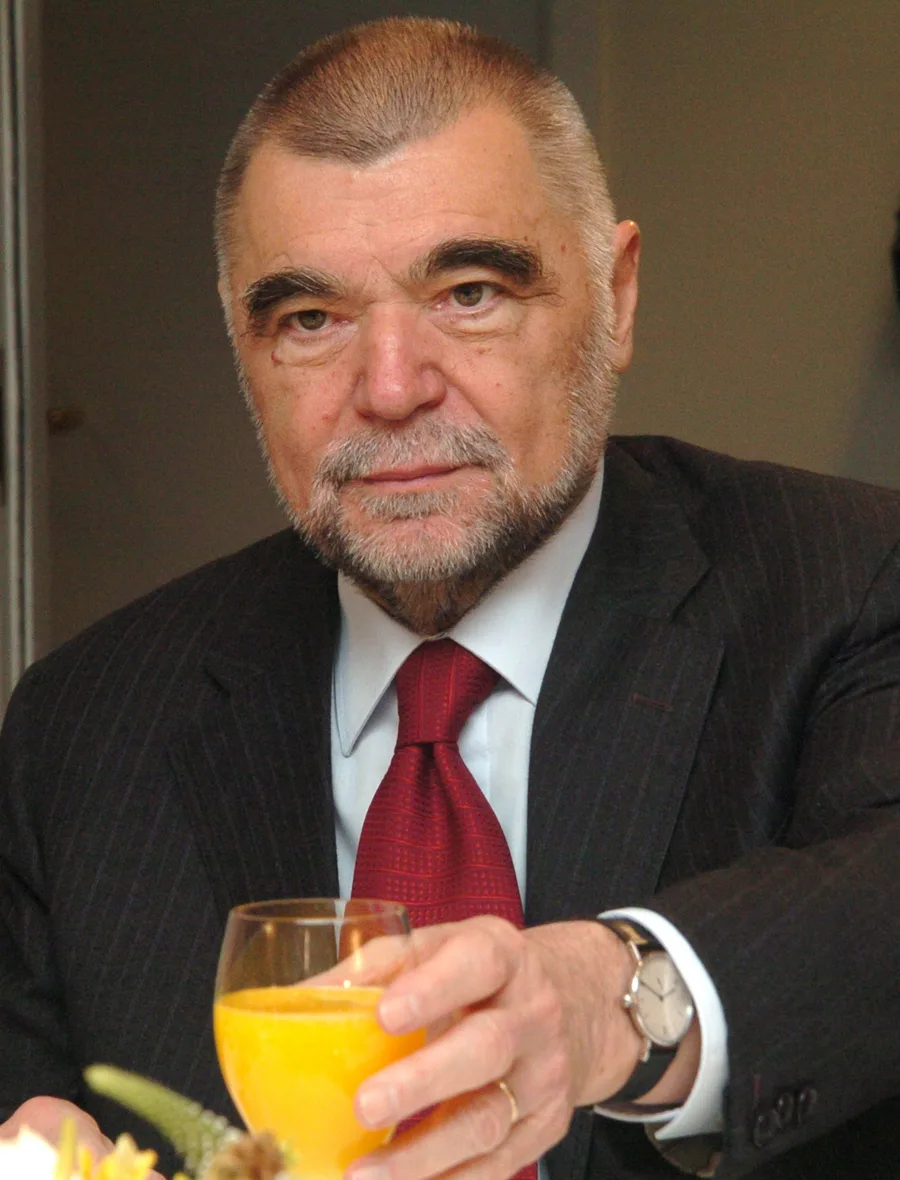
From European meetings to ceremonial scenes and diplomatic images, the visual archive works here as a political document rather than decoration.
The presidency is presented here not as ceremony, but as a decade in which Croatia positioned itself toward Europe, NATO, and its own constitutional maturity.
Editorial framing
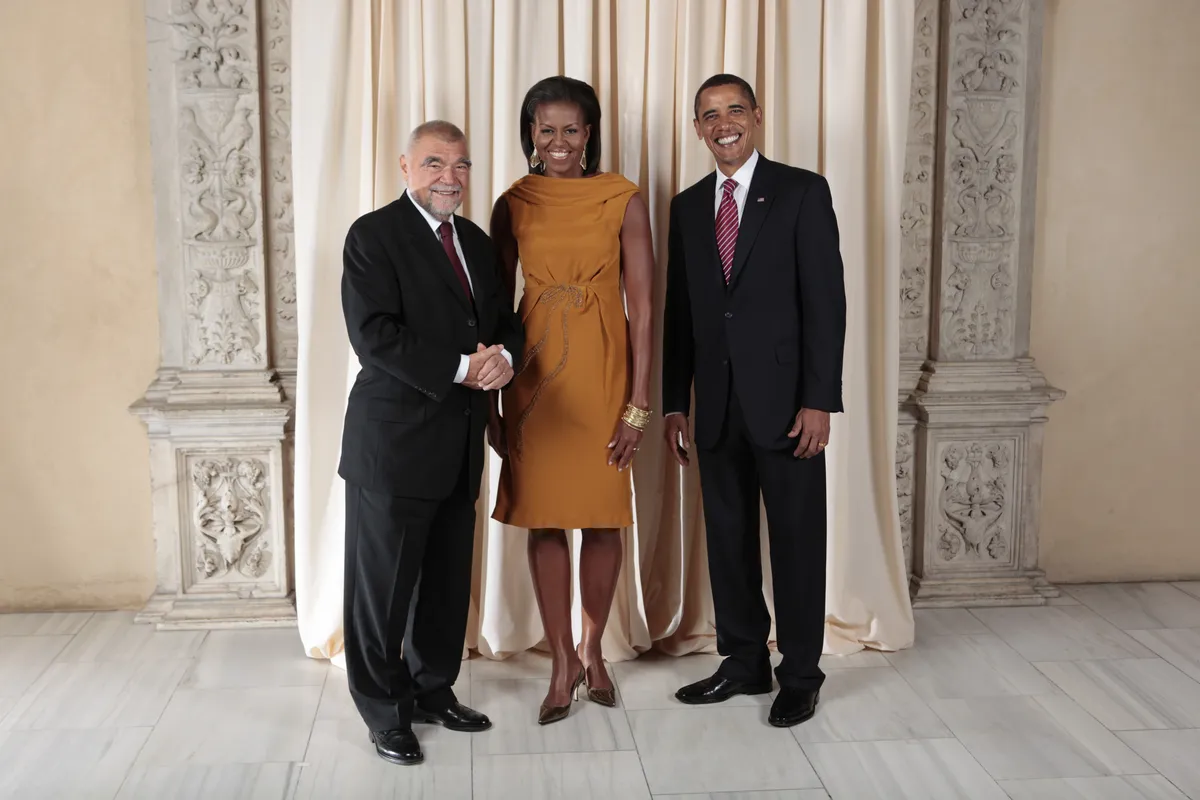
His time in office is marked by stronger international visibility for Croatia, including a Euro-Atlantic frame and steady diplomatic communication.
After the presidency, he remains present through interviews, commentary, and public appearances focused on democracy, the region, and historical responsibility.
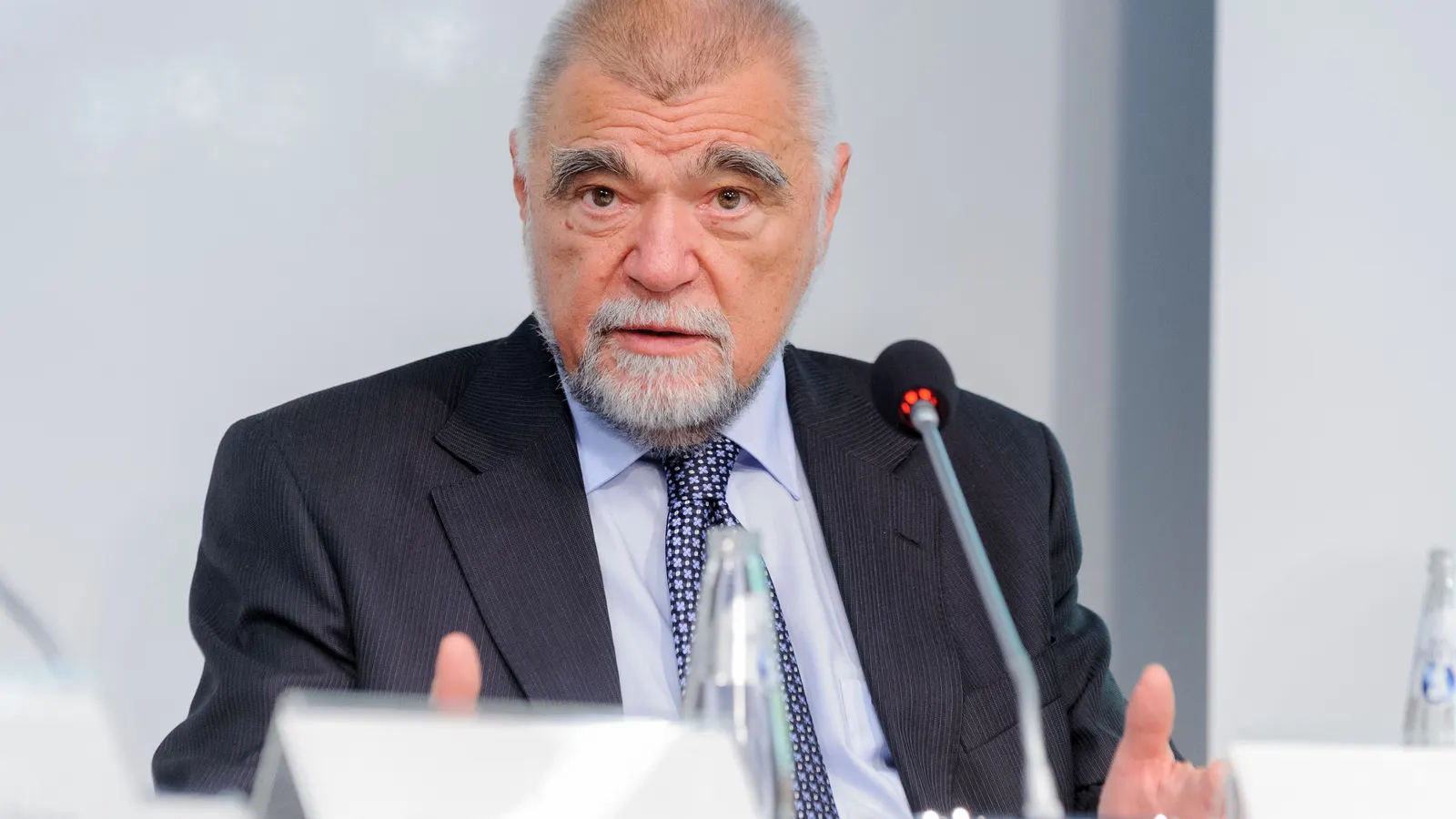
The visual and textual traces assembled here are designed as a concise entry point into the period in which Croatian statehood positioned itself toward the region, Europe, and the wider world.